Coffee Shop Profit Margins: What Cafe Owners Actually Earn in 2026
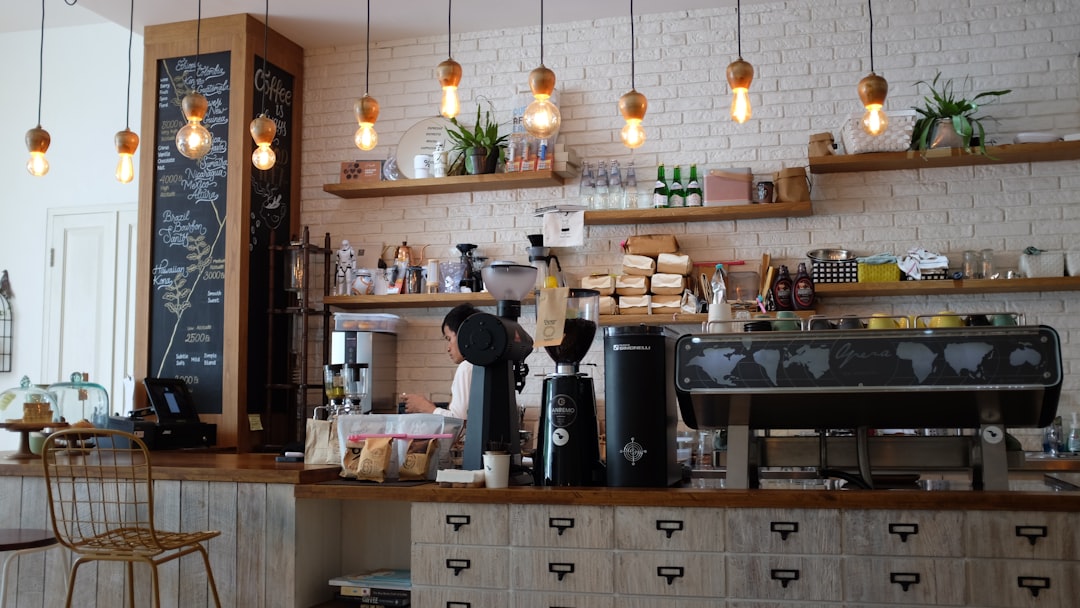
Coffee Shop Profit Margins: What US Cafe Owners Should Expect in 2026
A latte costs about $0.75 in ingredients and sells for $5.50 in most US cities. That is an 86 percent gross margin on the drink itself. So why do so many coffee shops barely break even? Because coffee shop profit margins are not about cup cost. They are about everything else: rent, labor, waste, and the food that sits alongside the espresso.
Coffee Shop Profit Margins by the Numbers
According to the Specialty Coffee Association and industry benchmarks from US-based cafe point-of-sale data, the average independently owned coffee shop in the United States operates on a net profit margin of 2.5 to 6.5 percent. That is thin. For comparison, full-service restaurants average 3 to 5 percent, and quick-service restaurants average 6 to 9 percent.
What separates the shops earning 6 percent from the ones earning 2 percent is rarely the quality of the coffee. It is cost discipline, specifically around food and labor.
The profit stack for a well-run US coffee shop in 2026 typically breaks down like this:
| Cost Category | Typical Range | Target for 6%+ Profit |
|---|---|---|
| Cost of goods sold (coffee, milk, syrups, food) | 25% to 35% | 28% or lower |
| Labor (baristas, manager, owner draw) | 28% to 38% | 32% or lower |
| Occupancy (rent, CAM, utilities) | 8% to 15% | 10% or lower |
| Other operating (marketing, supplies, repairs) | 8% to 12% | 10% or lower |
| Net profit | 2% to 7% | 6% or higher |
Economics by Type of Coffee Shop
Not all coffee businesses are created equal. The economics shift dramatically depending on your format.
A traditional sit-down cafe in a neighborhood like Portland's Hawthorne District or Chicago's Logan Square might do $400,000 in annual revenue with a 4 percent net margin. The rent is high but so is the average ticket, especially if the shop sells pastries and light breakfast.
A coffee truck operating in Austin or Denver might generate $180,000 to $250,000 in annual revenue but run a 10 to 15 percent net margin because there is no commercial lease and the staff is often owner-operated. The tradeoff is volume: a truck can only serve so many customers per hour.
A drive-thru only coffee stand, the model that dominates the Pacific Northwest and is spreading through the Southeast, can push $500,000 to $800,000 in annual revenue with labor as low as 25 percent because one barista can handle peak volume alone.
A bakery-cafe hybrid, think of the independent shops in Brooklyn or San Francisco that roast their own beans and sell artisan bread, carries higher food costs, often 32 to 38 percent, but also higher average tickets and customer loyalty.
The format determines your cost structure. A drive-thru that sells only drinks can run a 22 percent cost of goods sold. A bakery-cafe serving full breakfast plates might struggle to stay under 35 percent.
Where Coffee Shop Profits Actually Leak
The number one profit leak in US coffee shops is unmeasured food cost. Drink margins are almost always healthy: espresso, drip coffee, and tea cost pennies per cup. The trouble starts when the shop adds food.
A breakfast sandwich that sells for $7.50 might cost $4.10 in ingredients, labor, and packaging. That is a 55 percent cost of goods sold before you account for the barista who assembled it. Most cafe owners treat food as an afterthought, estimating costs instead of calculating them. The sandwich that felt like a nice add-on is actually losing money on every sale.
The second leak is portion drift. Every barista free-pours milk differently. Over the course of a day, that extra ounce of oat milk per latte across 300 drinks is real money. Standardized recipes with measured portions, enforced through training and periodic spot checks, recover 1 to 3 percent of cost of goods sold almost immediately.
The third leak is seasonal menu complexity. Pumpkin spice lattes are profitable in October. The three custom syrups you bought for a summer menu that sold twelve units total are profit killers. Every additional SKU adds prep time, waste risk, and inventory carrying cost.
How Food Costing Changes the Game for Cafes That Serve Food
If your coffee shop serves more than pastries from a box, you need the same food costing discipline as a restaurant. Every menu item should have a recipe card with measured ingredient quantities, portion weights, and an updated plate cost.
A cafe that runs a $12 avocado toast and a $9 yogurt parfait alongside its espresso menu should know both of those costs down to the cent. The avocado toast might cost $3.20 per plate, a 27 percent food cost, great. The parfait might cost $3.80 per cup, a 42 percent food cost, terrible. Without systematic costing, you cannot see the difference, and you cannot fix it.
Food costing tools like foodcosting.app let cafe owners input recipes once, update ingredient prices as vendors change, and instantly see which items are carrying the shop and which are dragging it down. For a cafe that handles 20 food SKUs and 30 drink SKUs, that is the difference between knowing your numbers and hoping for the best.
The Break-Even Blueprint
Opening a coffee shop in a mid-size US city like Nashville, Boise, or Richmond in 2026 costs somewhere between $80,000 and $250,000 depending on buildout, equipment, and location. The question every new owner asks is: how long until this thing pays for itself?
A shop doing $25,000 in monthly revenue with a 5 percent net margin clears $1,250 per month. At that rate, a $150,000 investment takes 10 years to recoup. That is why margin matters more than revenue.
The shops that break even in 18 to 24 months, the ones worth the stress and the early mornings, have a few things in common. They keep cost of goods sold under 30 percent. They run labor at 30 percent or below. They negotiate rent to 8 percent of projected revenue or less, which is hard but essential. And they track their food and drink costs weekly, not monthly.
A weekly routine of updating ingredient prices, adjusting portion costs, and reviewing the menu mix takes an hour with the right tools. Without it, a shop can lose 3 to 5 percent of its annual profit to slow, invisible cost creep, and never know why the bank account is empty at the end of the year.
Whether you sell 200 lattes a day or a full brunch menu, foodcosting.app helps cafe owners track real profit on every item, so you know which drinks and dishes actually pay the rent.
Calculate this instantly for your own menu
You've learned how this works in theory. Now apply it to your own numbers and see your real food cost in seconds using our free food cost calculator.
Try the Free Food Cost Calculator